
What are green skills and which sectors are hiring for them right now?

According to climate.gov, the Antarctic Sea ice extent was the fifth lowest in January 2024.
Climate change is real and it needs our attention!
The UN Intergovernmental Panel on Climate Change has identified human behaviour as the main cause of climate disruption.
“Go Green” is the need of the hour!
As climate change and global warming hit the planet, governments and businesses across the globe are emphasising developing strategies to build a clean and green planet.
To further green initiatives, ESG (Environmental Social and Governance) investing has been introduced.
Importance of ESG
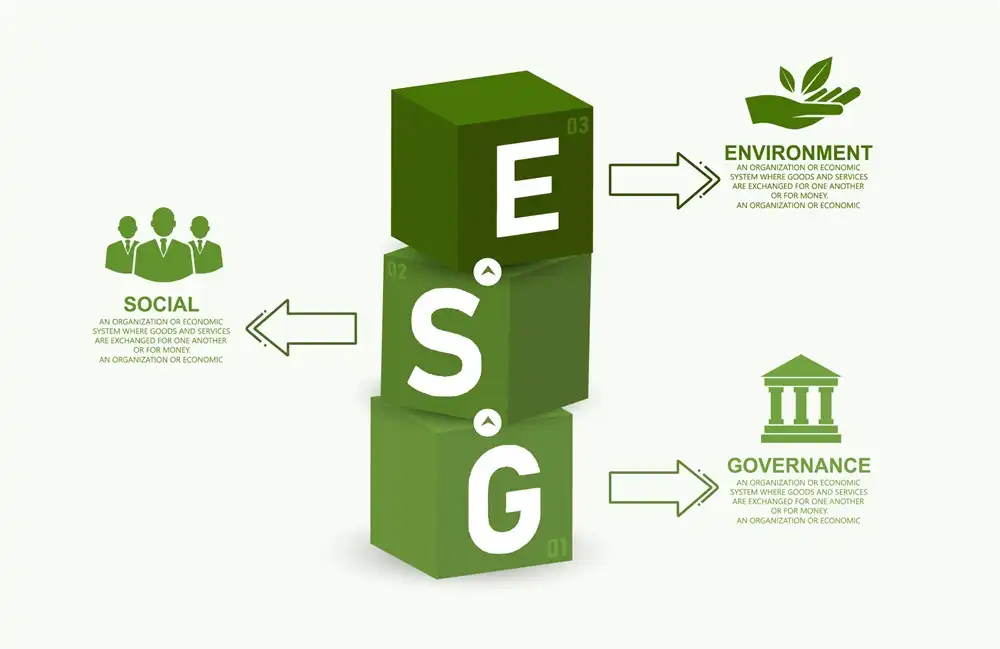
ESG refers to established standards to which a business needs to adhere for socially conscious investors to invest in them. ESG standards have been put forward to encourage businesses and investors to act responsibly.
“E” or the environmental criteria in ESG refers to the steps that a business takes to protect the environment and foster the growth of a green planet.
“S” or the social criteria in ESG focusses on how a business manages its relationships with customers, employees, suppliers, etc.
“G” stands for governance and pertains to aspects such as a company’s leadership, audit, internal controls, shareholder rights, executive rights, etc.
Implementing ESG practices helps a business set itself apart from its competitors. It helps the business brand itself as a sustainable and responsible organisation.
In this blog, we will focus on the environmental aspect of ESG.
The environmental issues that ESG standards focus on include:
- Corporate climate policies
- Energy use
- Waste management
- Pollution
- Conservation of natural resources
- Treatment of animals
It also focusses on the environmental risks that the company’s operations might cause and the steps it takes to mitigate those risks.
The transition to a sustainable economy demands systemic changes that will transform processes and business models. These changes will pave the way for new products and services.
As businesses across the globe move towards a green economy, green jobs have become the mainstay of a sustainable future.
What are green jobs?
The definition of green jobs, according to the United Nations Environment Programme (UNEP), is “positions in agriculture, manufacturing, R&D, administrative, and service activities aimed at substantially preserving or restoring environmental quality.”
Jobs that directly contribute towards conserving the environment or that strive to reduce the impact on the health of the planet are green jobs.
Green jobs focus on aspects like:
- Efficient consumption of energy and raw materials
- Minimised emission of greenhouse gases
- Reduction of waste and contamination
- Protection and restoration of the ecosystem
- Generation of renewable energy
- Manufacture of energy-efficient products
- Adaptation to climate change
Data shows that with decarbonisation initiatives and the implementation of effective policies, over 300 million green jobs will be created by 2050.
Green jobs can be performed by individuals who have green skills.

What are green skills?
Green skills refer to the technical know-how and expertise that facilitate the effective use of green technologies and processes.
Four categories of green skills
There are four categories of green skills and these include:
- Technical skills:
Skills relevant to areas like design, construction and assessment of technology, among others, are identified as technical skills. Individuals from engineering or technical backgrounds have these skills. Technical skills are required in fields such as the design and construction of eco-friendly buildings, renewable energy projects and energy-saving R&D.
- Science skills:
These skills are required to drive innovation in different stages of the value chain in the utilities sector. The utilities sector provides basic amenities like electricity, sewage services and water.
- Operation management skills:
These are skills required for change management within the organisation to facilitate green activities. These competencies are required for life-cycle management, lean production and seamless collaboration between various stakeholders, including customers.
- Monitoring skills:
These are required to assess and ensure compliance with technical and legal regulations. Monitoring skills will be required for roles like compliance inspectors, legal assistants and emergency management professionals. Besides, soft skills like design thinking, adaptability, creativity, empathy and resilience are also considered essential for green jobs.
The demand for candidates with green skills is increasing across sectors.
Sectors that are hiring candidates with green skills
Renewable energy
As nations strive to meet net zero objectives by 2050, the renewable energy sector is growing at a fast pace. This sector will require green professionals who can improve energy efficiency and develop renewable energy sources to reduce harmful emissions. There will be a demand for candidates with the skills to improve energy security and enhance technological innovation.
Healthcare
The healthcare industry is a large contributor to environmental degradation. This sector not only consumes a lot of resources like water and electricity but also generates large quantities of waste and carbon emissions.
Green skills are required in the healthcare sector to make medical practices more sustainable. These skills can play a role in designing energy-efficient practices, transitioning to renewable energy sources, waste management and designing green buildings.
BFSI (Banking, Financial Services and Insurance)
The BFSI sector is focussing on building green products and ensuring compliance with ESG. Hence, there will be a demand in this sector for candidates who are knowledgeable about ESG. Candidates with the skills to build greener and more socially responsible policies that can bring positive changes will be required. Green skills will also be required for making investment decisions in green infrastructure projects. Other green jobs in the sector include developing green bonds, conducting climate risk surveillance, enhancing the consistency of data in fields like climate change, etc.
Transportation
The transportation sector has been identified as the major cause of carbon dioxide emissions. Data shows that 30 per cent of the carbon dioxide emissions in the European Union come from the transportation sector.
Nations across the globe have taken cognizance of this and are taking steps to reduce emissions caused by transport. Therefore, EVs (electric vehicles), public transport, electrified railways, etc. are some areas in the transportation sector that are expected to gain momentum. The green skills required for design, manufacture and R&D in this field will be in high demand in the coming years.
Tourism
Ecotourism, or ecological tourism, is a rising trend as global awareness and concerns regarding the health of the planet become the focus of attention. Green jobs in this sector include designing adventure experiences, discovering protected areas and renewing rural areas that are on the brink of disappearance.
How to hire candidates with green skills
Employer branding
There is a shortage of candidates with green skills. Therefore, to attract candidates from a limited talent pool, you need to have a compelling employer brand. Make sure that your brand reflects your core values. It is important to build a brand that indicates that you focus on sustainable development.
Candidate experience
Candidate experience is a critical factor that influences the decision of the candidate to work with or not work with your brand. You must ensure that you offer a customised candidate experience that attracts candidates to your brand. Some aspects that enhance the candidate experience are a seamless and fast hiring process, regular updates, effective communication, etc
Competitive packages
The salary and perks you offer are important criteria for candidates to consider your brand for employment. Since you are trying to hire candidates from a limited talent pool in a highly competitive market, you must offer packages that candidates can’t resist. While salary is the key component of the package, non-monetary components like the flexibility you offer, canteen facilities and healthcare support also influence candidates.
Working with universities
You can collaborate with universities and help them design curricula that help build green skills. Offering internships in your organisation and helping candidates develop green skills by training them with practical experience is an effective strategy.
Partnering with a Recruitment Process Outsourcing (RPO) company
The field of green skills is new and finding the right candidates can be an uphill task. Outsourcing your hiring needs to an RPO agency provides several benefits. The RPO agency can access a larger talent pool via its networks and collaborations with universities or institutes. They are equipped to identify and help you recruit the best candidates with green skills. They have experienced teams that can identify the best candidates for your organisation. RPO agencies help you close the recruitment process early.
However, it is important to whet RPO companies carefully and choose the right one for your business.
Conclusion
Careernet is one of the leading RPO agencies that works as your hiring partner. Our professionals help you hire the best candidates who are not only skilled but are also the right culture fit for your organisation. We leverage automation technologies to streamline our hiring process so that it gets completed promptly. We manage end-to-end recruitment and make it easier for you to focus on the growth of your company.